Contractual and economic risks due to a possible relationship between Ecopetrol and PDVSA

Danierla Mercado
Abogada asesora en energías renovables

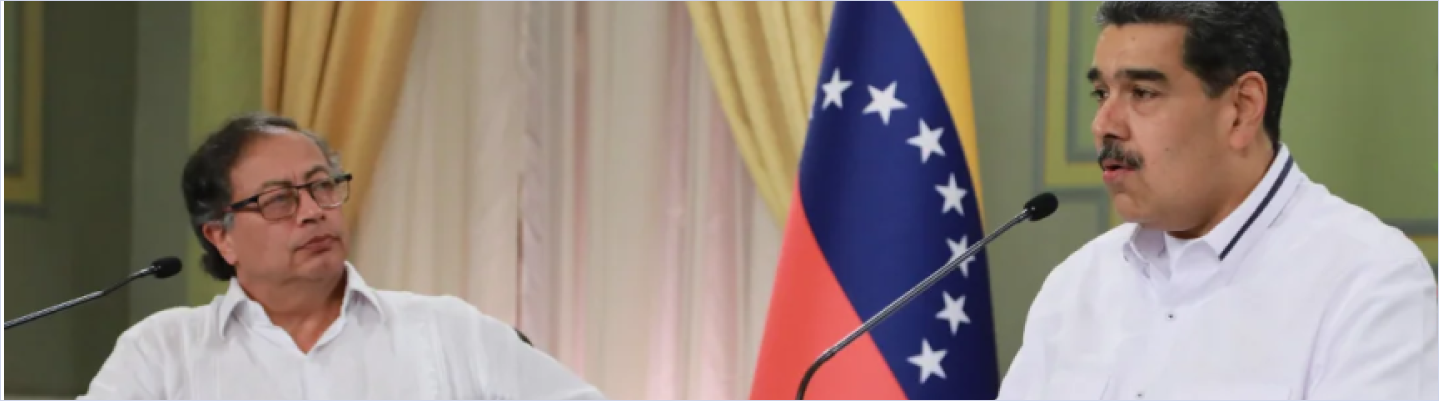
Yesterday, November 18, 2023, President Gustavo Petro announced that Ecopetrol might finalize an alliance with the Venezuelan state-owned company PDVSA to develop hydrocarbon exploration and production activities. And yes, the environmental contradiction is outrageous, since the president has been emphatic that the world must move towards decarbonizing the economy by eliminating oil and gas from the energy mix. But, as a professional in this sector, I see a real risk for Colombia from another perspective. Have you heard of the “Clinton List”?
PDVSA remains on the OFAC list (“Clinton List”), which is simply a compilation by the U.S. Office of Foreign Assets Control that lists companies accused of participating in money laundering activities. If a company (state-owned or private) is included on that list, it becomes an outcast in the market. For purely reputational reasons, no one is going to enter into agreements with a company accused of having ties to drug money.
But you might ask: Didn’t the US recently announce that it is resuming relations with PDVSA? Does that mean they removed it from the List? The short answer is: no. What OFAC did on October 14th was grant a temporary and highly limited license to four oil companies that have infrastructure and machinery held in Venezuela since 2018. The license was granted solely for conducting financial transactions with PDVSA and for the sole purpose of preserving those assets.
This means that these companies are prohibited from carrying out any other activity beyond what is permitted by the license, which is purely administrative. In other words, they cannot process, handle, buy, sell, or transport hydrocarbons with PDVSA. As of today, no US company can import hydrocarbons from Venezuela because the “Clinton List” sanctions remain in effect. And how does this affect Colombia?
As I mentioned earlier, for security and reputational reasons, no one enters into agreements with companies included on that List, nor with companies that have business relationships with companies on that List. In fact, a mandatory clause in all contracts between companies from different countries is the automatic termination of the agreement if either party is included on the OFAC List or enters into agreements with companies included there.
And this isn’t a whim of foreign companies. In fact, Colombia has adopted strict guidelines for our domestic market. Therefore, the Financial Superintendency has mandated that companies in certain sectors certify that they have no relationships with individuals (natural or legal persons) included on the List, under the supervision of a Compliance Officer who, if they find evidence of such relationships, must report it to the appropriate regulatory bodies.
If Ecopetrol becomes PDVSA’s new partner, the resulting trade disaster with other countries will be catastrophic, not only for Ecopetrol but for the country as a whole. A wave of contract terminations is almost certain, and this will trigger the collection of millions in penalties that the nation, as Ecopetrol’s majority shareholder, will have to bear. And yes, you guessed it: if there are no funds to pay, the infamous asset seizures will appear.
This has definitely been unfortunate news. Even if the partnership doesn’t materialize, the mere announcement is already turning us into international pariahs.