The future of gas in Colombia

Danierla Mercado
Abogada asesora en energías renovables

The discussion about the energy transition is here to stay for quite some time.
And what’s interesting about this debate is that there’s no opposing side to its implementation. Conflicting positions undoubtedly exist in the discourse, but not regarding whether Colombia should transition to energy sources with less environmental impact, but rather how it should be carried out. In this sense, while some experts envision the change under a long-term framework, others advocate for an accelerated transition, the latter being the position embraced by Dr. Irene Vélez, the new Minister of Mines and Energy.
Since her appointment, Dr. Vélez has reiterated her desire to expedite the transition by weaning the country off hydrocarbons as an energy source as soon as possible, including natural gas. This position has been expressed through two statements that have caused a great stir in the mining and energy sector: first, with his support for the bill seeking to outlaw fracking in Colombia, and later, with his assurance that no more exploration contracts will be granted under his leadership.
Both announcements pose a risk to the nation not only in fiscal terms, as they would eliminate activities that represent 40% of our exports, but also create a direct risk to Colombian households, given that more than 85% of them use gas as an energy source. Converting a source of income into an expense would not be very wise, since without increasing our gas reserves, we would have to meet domestic demand with imports.
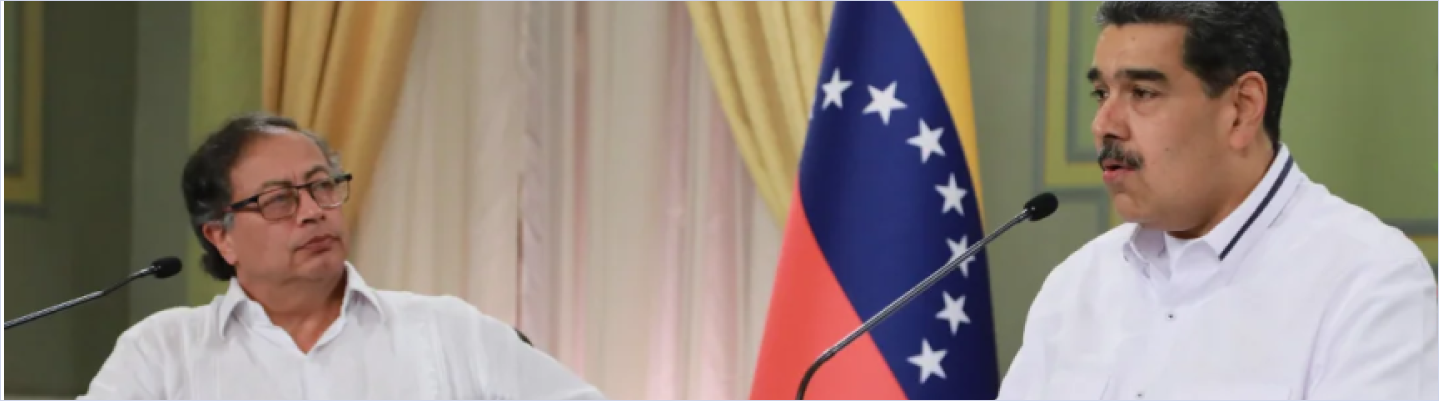
Additionally, any energy transition policy must consider that the country has proven gas reserves for only the next seven years, a period in which it is impossible to implement a technological shift in households to replace gas with alternative sources. For this reason, it is urgent that the new leadership of the Ministry of Mines and Energy determine where we will source our energy to meet consumption needs. And no, Venezuela is not a prudent option.
Those of us who view the transition as a long-term process hope that the feasibility of allowing fracking in Colombia will at least be considered—a method that can be compatible with environmental protection if carried out according to international best practices. Hence the importance of not creating further obstacles for the pilot projects currently underway in the municipality of Puerto Wilches, as these projects provide evidence to determine whether such activities can be carried out in our country, which would represent a significant boost to our energy sovereignty.
It suffices to say that in Europe we have already seen that an accelerated, short-term transition does not benefit the environment and, on the contrary, harms citizens by jeopardizing the economic and fiscal stability of countries that take the roadmap toward alternative energy sources lightly. With this, we hope that the multiple criticisms of the announcements made by the minister and her summons to a political control debate approved by the Fifth Commission of the House of Representatives as a consequence of the proposal not to grant more exploitation contracts, will deter the decisions that seek to deprive us of the exploitation of natural gas.